
Yaogangxian
The immortal jade hill

Life in the USA is not normal. It feels pointless and trivial to be talking about small looks at the fascinating natural world when the country is being dismantled. But these posts will continue, as a statement of resistance. I hope you continue to enjoy and learn from them. Stand Up For Science!
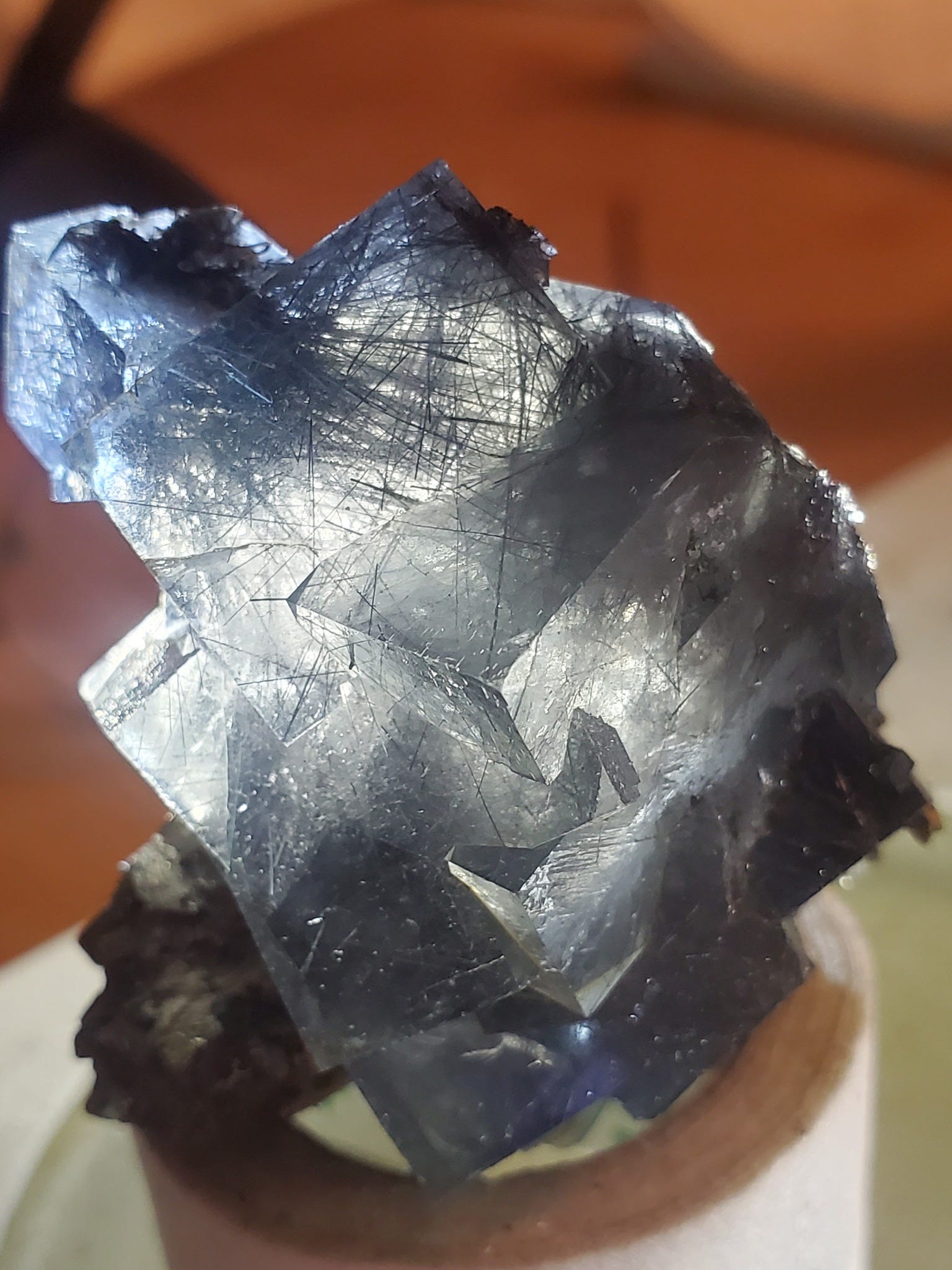
The Yaogangxian tungsten-tin deposit in Hunan, southeastern China, about 450 km north of Hong Kong, has been known for centuries, but only became a prominent modern mine beginning about 1914; it is China’s oldest tungsten mine. But it is arguably more famous today as a world-class locality for diverse minerals, especially fluorite, arsenopyrite, scheelite, and bournonite, along with dozens of other species. My post today simply highlights three specimens in my collection.
Unsurprisingly, there is a vast technical literature on Yaogangxian. The location is in the amalgamation zone of the Yangtze and Cathaysian blocks, which came together to form the South China Craton. That collision was long and complex, helping to account for the diversity of mineral deposits in this zone. We’ve looked at that story previously.
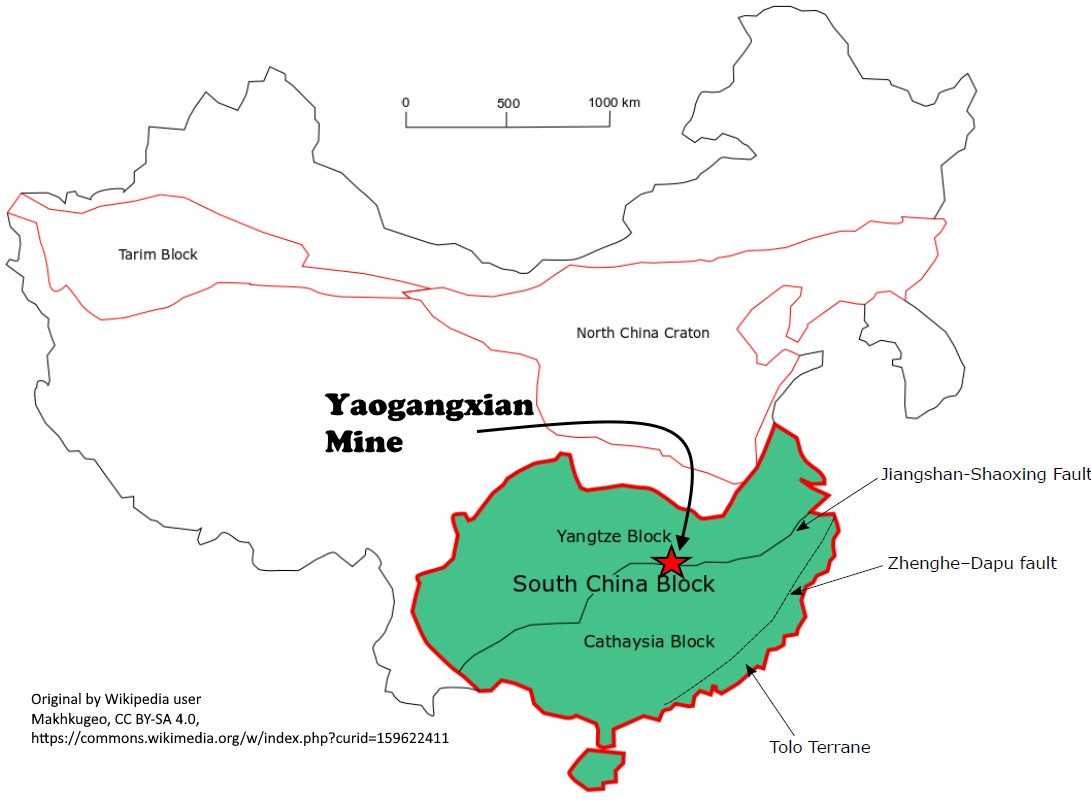
Yaogangxian is one of at least 20 major tungsten- or tungsten-tin deposits in the collision zone between the Yangtze and Cathaysian blocks, comprising one of the most important such metallogenic provinces in the world. This helps push China into its leadership position as the #1 producer of both metals, with 23% of world tin production (Indonesia is #2 with 17%) and a commanding 83% of world tungsten production and more than half the known tungsten reserves in the world.
The ores are mostly associated with Mesozoic granitic intrusions, with at least three distinct extended “events” at Yaogangxian over the long period from about 180 to 90 million years ago (Jiang and others, 2022, In situ geochemistry and Sr–O isotopic composition of wolframite and scheelite from the Yaogangxian quartz vein-type W(–Sn) deposit, South China: Ore Geology Reviews 149, 105066).
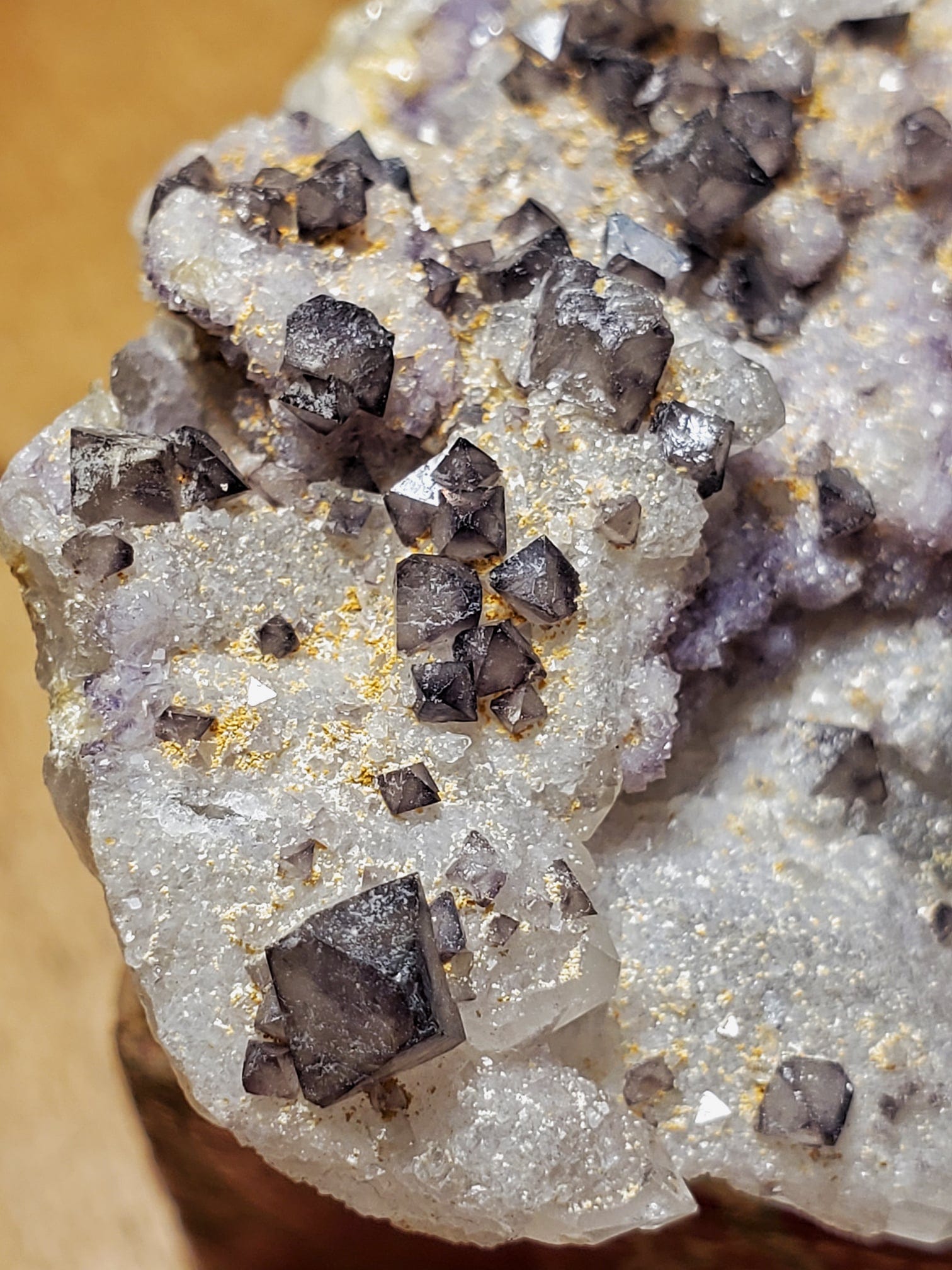
Scheelite, calcium tungstate, is an important ore of tungsten. It occurs in many shades, from colorless, white, and gray, to brown, tan, and purple, as well as variations on yellow, orange, red, and green. Although it is tetragonal crystallographically, it often forms short dipyramids that look like octahedrons similar to crystals fluorite sometimes makes.
This Yaogangxian scheelite specimen is from altered granite. Toward the end of the intrusive episode, some of the last mineralized fluids altered the granite itself to deposit the tungsten and tin minerals in veins in greisen, the word for these altered, self-mineralized granitic rocks. “Greisen” is probably from a German word meaning “gray with age.”
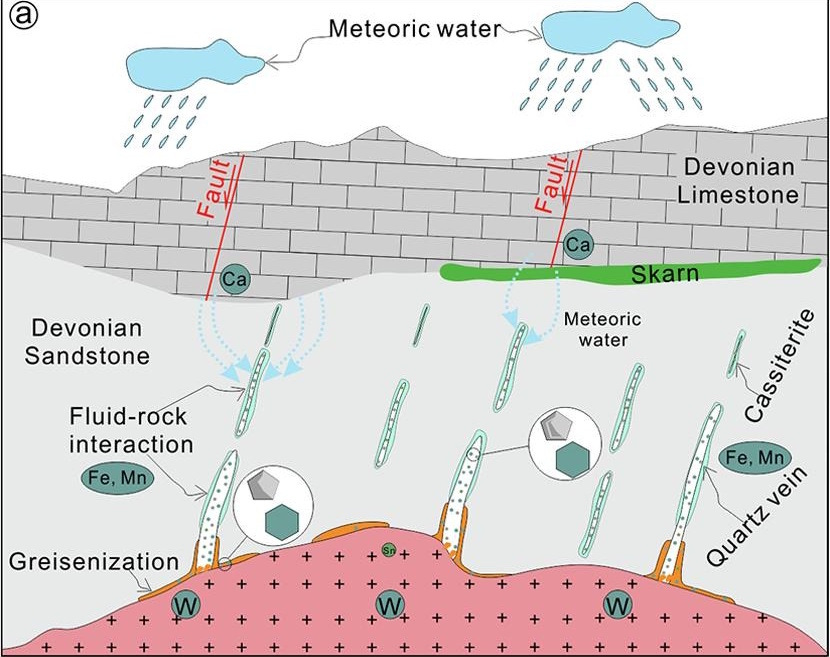
The fluids also altered the country rock and introduced scheelite and other minerals into Cambro-Devonian sandstones and limestones where they formed skarn, a rock that is both metamorphosed by heat and pressure and changed chemically. The fluorite, such as that in the top photo, is probably associated with skarns in the limestones which served as a source of calcium (fluorite is calcium fluoride).
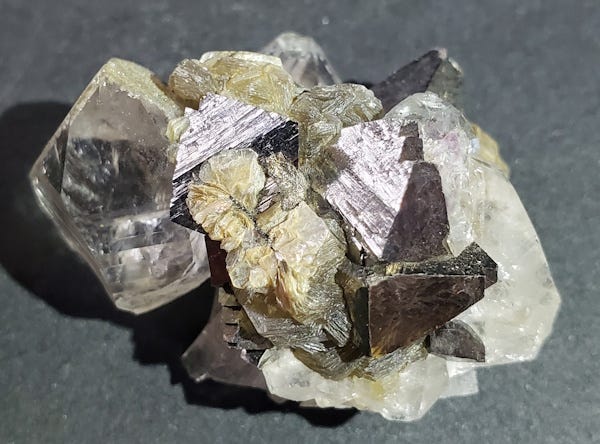
Arsenopyrite, iron arsenic sulfide, and other sulfides mostly formed later in the mineralization episodes, probably more closely associated with the quartz veins than with the greisen. This specimen includes one fluorite crystal with two tiny needles of boulangerite, or jamesonite, or stibnite.
The primary use of tungsten is for tungsten carbide cutting tools that are critical in manufacturing, mining, construction, and oil and gas operations. A second important category of tungsten use is filaments and wire components in things like lighting, heating, welding, and electric applications.
The US imported tungsten from at least 17 countries in 2024, mostly from China (27%), Germany (14%, from refineries), and Bolivia and Viet Nam at 8% each. An Australian company, Thor Mining, evaluated tungsten resources in the Pilot Mountains east of Mina, Nevada, for several years; the project is now owned by Guardian Metal Resources PLC, a UK-based company that had an ongoing Pre-Feasibility Study as of December 2025. Apart from secondary recovery from scrap recycling, the US is entirely dependent on imports for tungsten.
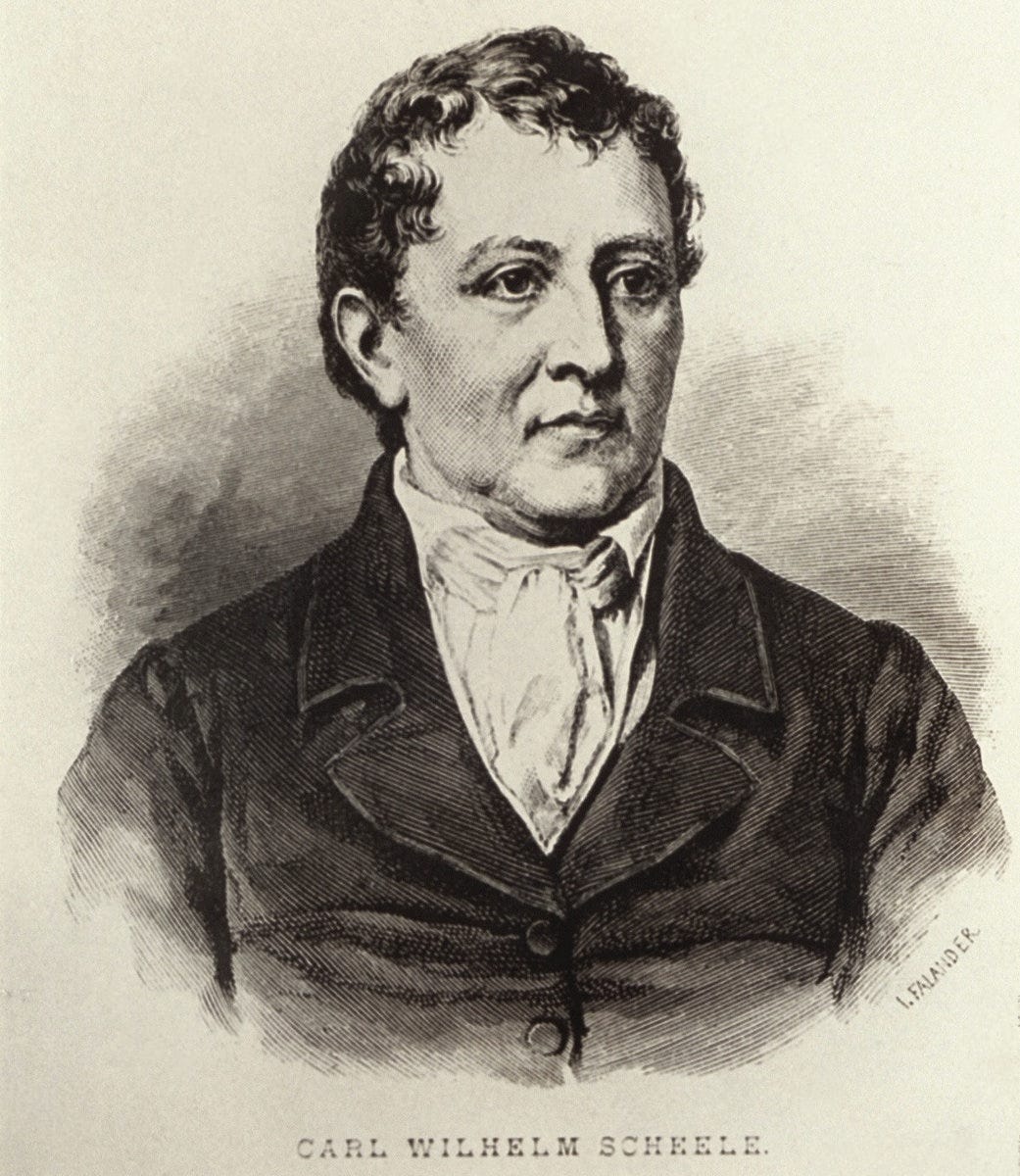
Scheelite was named for Carl Wilhelm Scheele (1742-1786), a Swedish chemist. In his 43 years he discovered oxygen (Joseph Priestly published first so gets the credit), chlorine, molybdenum, and barium (Scheele recognized the new element, but Davy was the first to isolate it), and made tungstic acid from the mineral then called “tungsten” (later, scheelite). The element tungsten was isolated from the acid by Spanish chemists José and Fausto Elhuyar. Scheele also first synthesized citric acid and many other compounds.
Tungsten means “heavy stone” in Swedish (scheelite has a specific gravity more than double that of quartz), but the symbol for the element, W, reflects the common European name for the element, wolfram. That name is from the mineral wolframite (iron-manganese tungstate), from German “wolf rahm“ (”wolf soot” or “wolf cream”), the name given to the mineral by Johan Gottschalk Wallerius in 1747. This in turn derives from Latin “lupi spuma“, the name Georg Agricola used for the element in 1546, which translates into English as “wolf’s froth” and was a pejorative reference to the large amounts of tin lost during tin smelting when wolfram was present (from Wikipedia). Alternatively, wolfram may be a combination of words meaning “wolf” and “raven,” two of the animals identified with the Norse god Odin and used as a name.
In the subtitle, I suggest that Yaogangxian means immortal jade hill, but that’s a pretty loose translation. Don’t rely on it.
Thanks. I really appreciate all your site-specific geotectonic and mineral formation info along with the pretty picture of your rock or mineral. Such awesome stories!
Great read! Thank you!