
Molar-tooth structure
Not exactly fossils

Life in the USA is not normal. It feels pointless and trivial to be talking about small looks at the fascinating natural world when the country is being dismantled. But these posts will continue, as a statement of resistance. I hope you continue to enjoy and learn from them. Stand Up For Science!
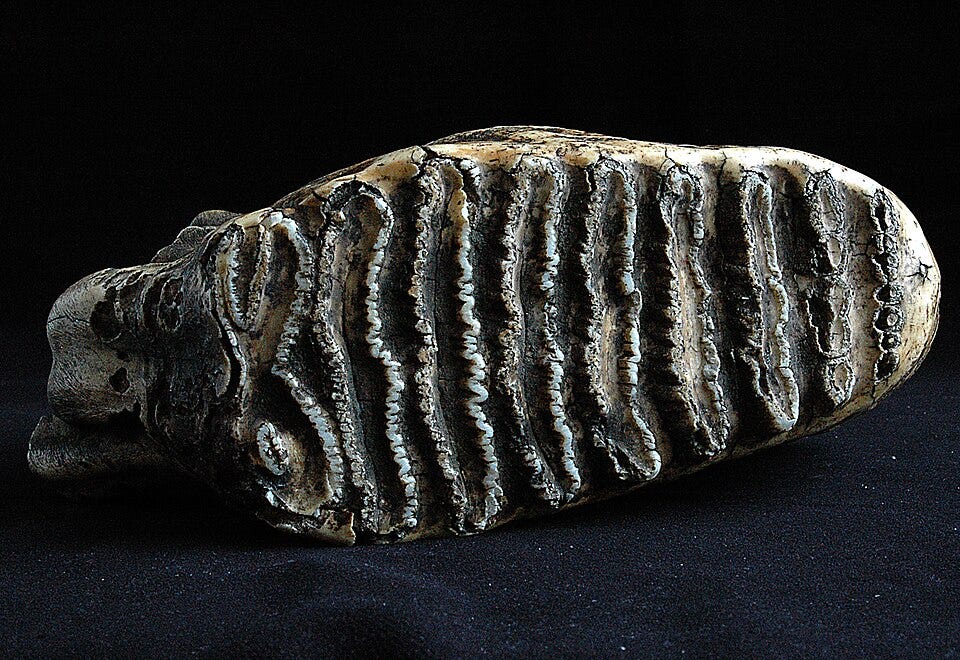
The broadest definition of fossils is probably “evidence of past life.” That can be taken to mean trace fossils (things like trilobite tracks) and unusual chemical signatures as well as actual body fossils. Whatever molar-tooth structures are, they are NOT related in any way other than (maybe) appearance to canines, incisors, molars, or teeth of any sort. And it’s uncertain whether they may be indicators of past life.
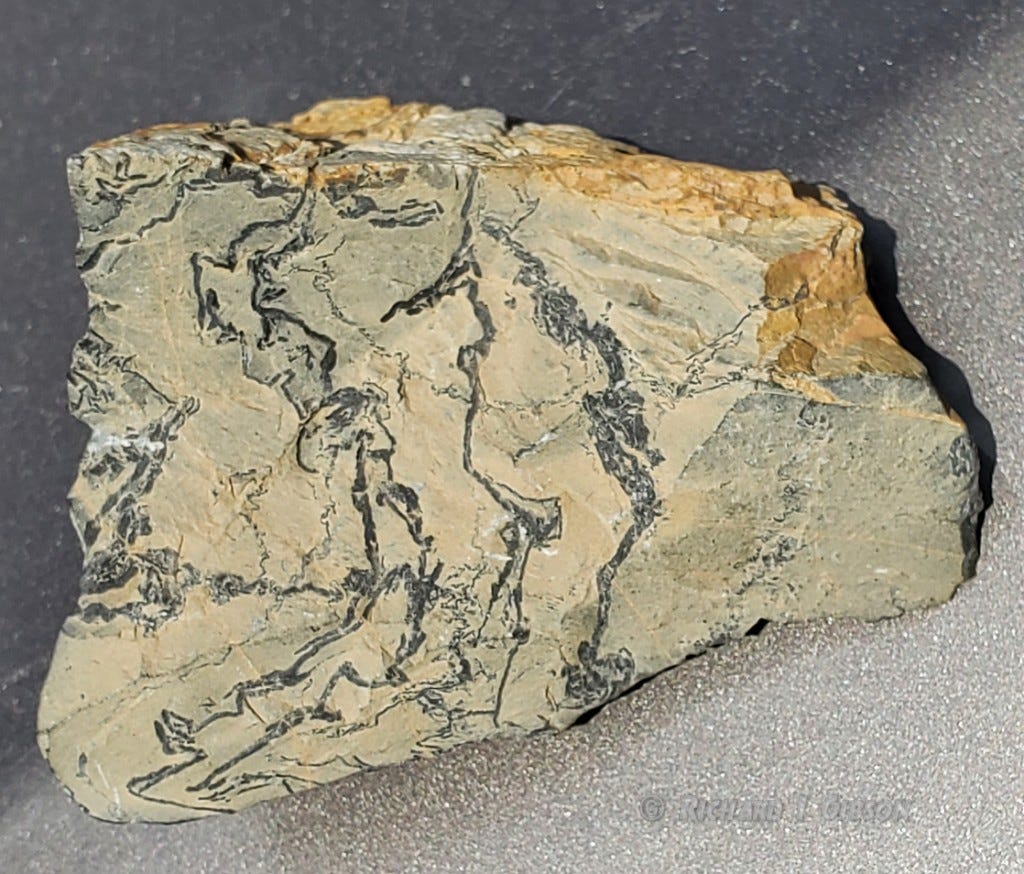
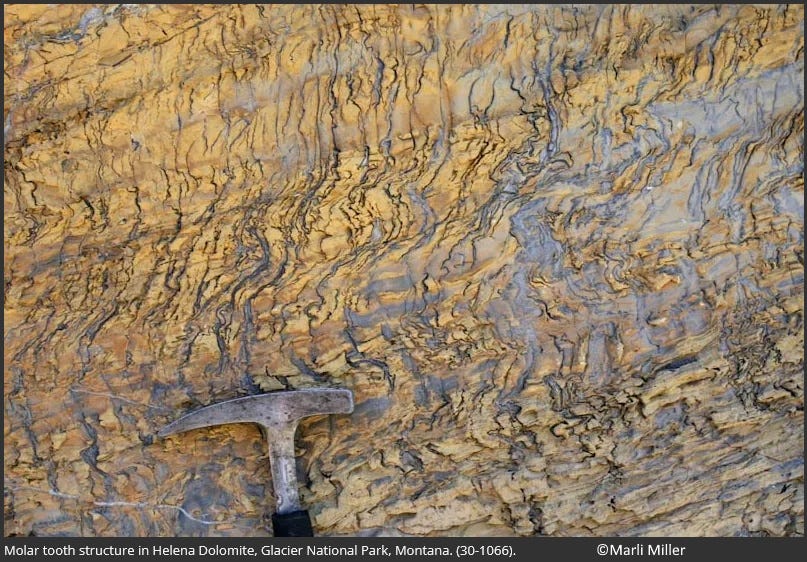
What it is: Molar-tooth structure is a pattern in Precambrian rocks, mostly carbonates, of cracks and open spaces usually filled with microcrystalline calcite (called microspar; spar refers to crystals with sharp faces or cleavages, from Old English spærstān, crystal projections). In practice, the crack filling and matrix are clearly and sharply delineated, with gray, sparkly microspar in the cracks and lighter color, granular matrix. The microspar may occupy highly convoluted sheets and ribbons or irregular to rounded blobs (Kriscautzky and others, 2022, Molar-Tooth Structure as a Window into the Deposition and Diagenesis of Precambrian Carbonate: Annual Review Earth and Planetary Sciences. 50:205-230).
Molar-tooth structure is known in Precambrian sedimentary rocks from around the world since its first discovery on the Belt Supergroup rocks of southeastern British Columbia and adjacent Montana in 1885. Its origin has been debated since that time. The structure is restricted to Precambrian rocks, with no modern analog, so understanding it may lead us to recognizing processes in the early Earth that at present are obscure.
Kriscautzky and others (2022) offer this summary of potential origins:
Biological origin – actual fossils, representing remnants of algal growths or some atypical aspect of stromatolites (algal mats).
Relicts of evaporites, such as anhydrite or gypsum, that formed in shallow unconsolidated sediment, were dissolved, and were later replaced by calcite and deformed.
Shrinkage features in solidifying carbonate mud – essentially deformed mudcracks or other dehydration features developed as the sediment consolidated into rock.
Cracking related to stress with later fill by calcite. Partially consolidated mud may move and deform as soft sediment when stress is applied. The stress could come from liquefaction under gravity (wave or tidal loading) or as a result of seismic activity, or simple enhanced fluid flow as parts of the sediment package solidify at different rates.
Kriscautzky and others (2022) indicated that all of the above ideas are inadequate to explain all aspects of molar-tooth structure. The favored explanation today is some kind of gas expansion and migration. The gas, whose nature is still debated actively, but which was most likely carbon dioxide, hydrogen sulfide, or methane, would have been generated by microbial decomposition of organic matter. The primary life form during the time of Belt Supergroup deposition about 1,400 million years ago was algae and cyanobacteria – but tiny though they were, they were enough to oxygenate the earth’s atmosphere over several hundred million years close to a billion years before the Belt rocks were deposited.
Gas migrating through soft sediment, partially consolidated, could produce the void spaces as well as the linear tracks and ribbons observed in molar-tooth structure. Gas escape could have ranged from gradual to explosive, which together with complex variations in the sediment (strength, grain size, porosity, and ongoing soft-sediment deformation) can explain the exceptionally diverse geometry of molar-tooth structure. At least the consensus appears to be that that is the best explanation to date.
If the gas escape interpretation of molar-tooth structures is correct, they do serve as “evidence of past life,” albeit microbial.
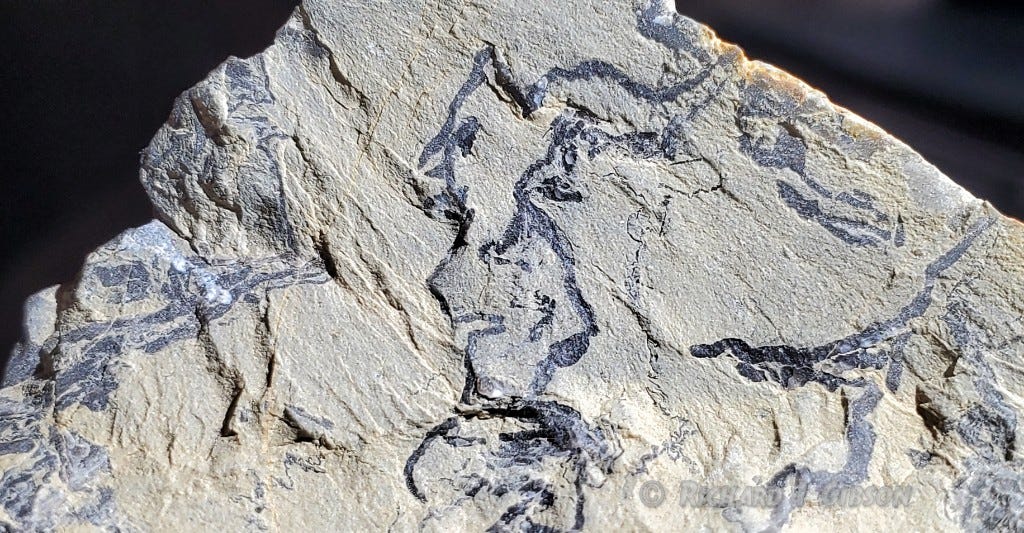
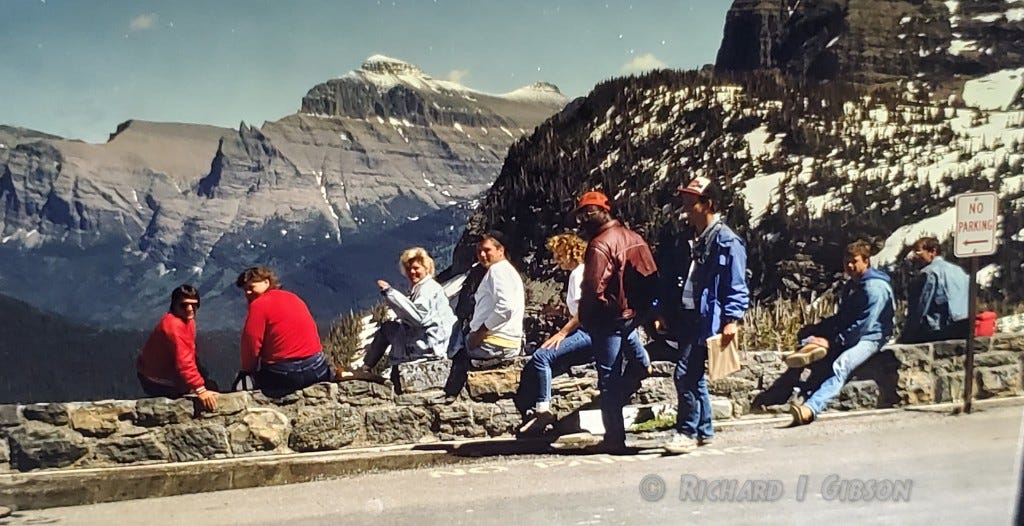
My specimen is from the Helena Formation near Helena, Montana, which is the equivalent of the Siyeh Formation in Glacier National Park where molar-tooth structure is displayed spectacularly in some of the rocks supporting the wall around the parking lot at Logan Pass (photo below).
Stromatolite farts? Present day stromatolite does have that distinctive odour I've read. (Oh and I've seen 'horse tooth granite' in the Cevennes, refers to the feldspar crystals. And widening the definition of fossil, 'fossil raindrops' in Orkney Isles. )
A new term for me!